 Brain Health & Memory
Brain Health & Memory
Brain Health & Memory
Doctors can now see it on a scan. Here's what neuroinflammation really is, what causes it, and what the research says actually helps.
📖 13 min read • 🔬 18+ studies cited • 🗓 Updated August 2026
I used to assume brain fog and inflammation were two unrelated things — that "brain fog" was just a soft, unscientific way of saying "I'm tired." Turns out that's wrong — and not in a small way. Researchers can now actually watch it happen. MRI scans show fluid leaking through the blood-brain barrier in people describing exactly this symptom. That's not tiredness. That's inflammation, visible on a scan. The more I read into this, the more it bothered me that "brain fog" gets treated so casually in everyday conversation, when there's a real, physical mechanism sitting underneath it.
⚡ Key Takeaways
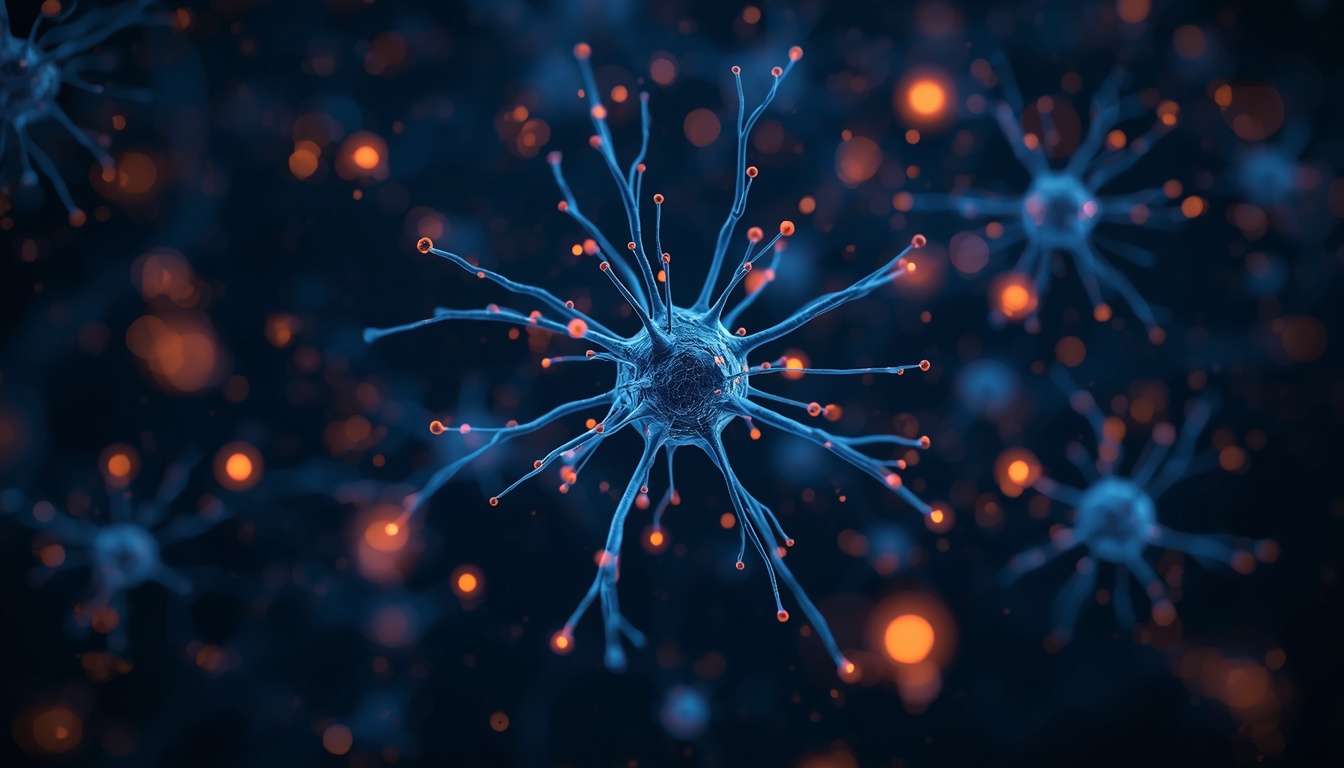
Your brain has its own dedicated immune cells, called microglia. Most of the time they sit quietly, doing routine maintenance — clearing debris, pruning unused connections, essentially housekeeping. But when they detect a threat (an infection, an injury, chronic stress signals, even certain foods), they switch into an "activated" state and start releasing inflammatory chemicals called cytokines — IL-6, TNF-alpha, and IL-1beta are the usual suspects that show up again and again in this research.
Here's a distinction I didn't appreciate at first: microglia don't just flip between "on" and "off." Researchers describe a spectrum of activation states, loosely grouped into what's sometimes called an "M1" pro-inflammatory profile and an "M2" repair-oriented profile. In a healthy response to something like an infection, microglia activate, do their job, then shift back toward the calmer, repair-focused state once the threat clears. The problem researchers are increasingly focused on is when that switch gets stuck — when microglia stay locked in the inflammatory profile long after the original trigger is gone. That's the state most closely associated with persistent brain fog, rather than activation itself.
Here's the part that explains the fog itself: those cytokines don't just sit there. They interfere with long-term potentiation, which is the cellular process your brain relies on to strengthen connections when you're learning or remembering something. Interfere with that process and the result feels exactly like what people describe as brain fog — slower processing, that word sitting right on the tip of your tongue, trouble holding a thought in place long enough to finish it.
The blood-brain barrier is supposed to keep this contained. It's a tightly regulated filter that decides what gets from your bloodstream into your brain tissue. But under enough inflammatory pressure, it gets leaky — and once that happens, inflammatory signals from the rest of your body start pouring in, which winds up the microglia even further. It becomes a bit of a feedback loop: peripheral inflammation feeds brain inflammation, which can in turn make the barrier even leakier.
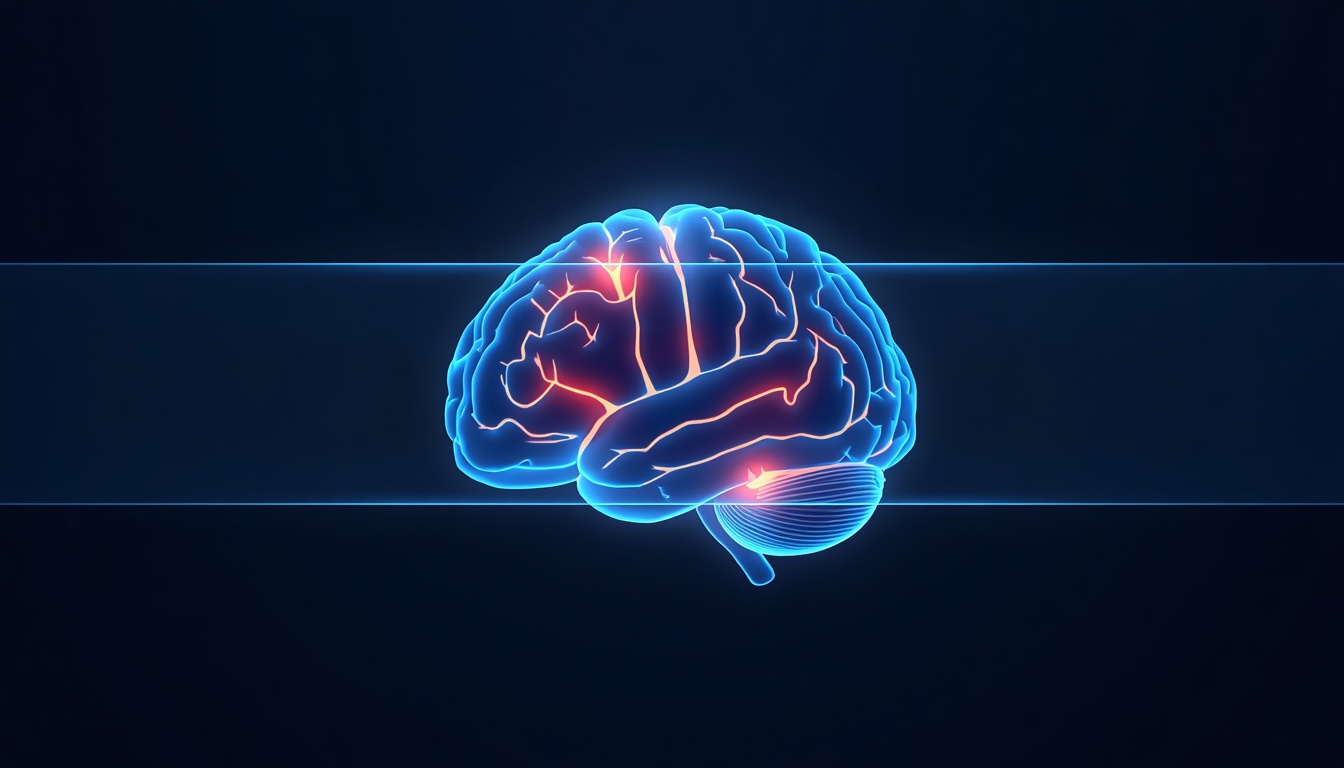
For years, "brain fog" was treated almost dismissively in medicine, partly because there was nothing to point to on a scan. That changed in February 2024, when researchers publishing in Nature Neuroscience used specialized MRI to directly image blood-brain barrier leakage in people with long-COVID brain fog. The leakage showed up in specific regions tied to attention and processing speed — and it correlated with how foggy people actually reported feeling. That's the detail that struck me most: it wasn't a vague global effect, it lined up with the exact regions responsible for the symptoms people were describing.
That single study reframed a lot of how this symptom gets taken seriously. It's part of why long-COVID has become the most heavily studied form of brain fog in the last few years: a 2025 Japanese imaging study went further, using PET scans to measure a specific brain receptor (AMPA receptors, involved in cell excitability) in long-COVID patients, and found it could identify who had significant brain fog with over 90% accuracy. That's a real biomarker, not a vague symptom checklist — and it's a meaningful step toward brain fog eventually being something a doctor can test for directly, rather than something a patient has to describe and hope is taken seriously.
This is the section that surprised me the most while researching this piece. Your gut lining and your blood-brain barrier are regulated by overlapping biological signals, and a growing body of research points to what's often called the "gut-brain axis" as a real contributor to neuroinflammation. When the gut lining becomes more permeable — sometimes informally called "leaky gut" — bacterial byproducts called lipopolysaccharides (LPS) can enter the bloodstream and trigger a systemic inflammatory response that reaches the brain and activates microglia, essentially the same pathway described earlier, just triggered from a completely different starting point.
Several studies looking at gut microbiome diversity have found that people with lower microbial diversity, or an overgrowth of certain inflammatory bacterial strains, report more cognitive symptoms including brain fog, independent of other health factors. This doesn't mean fixing your gut is a guaranteed fix for brain fog — the research is still working out how much of the effect is causal versus correlational — but it's a big part of why diet keeps coming up as a modifiable factor in this condition, beyond just blood sugar or weight.
Long-COVID gets the most research attention right now, but it's far from the only cause. A few others worth knowing about:
Chronic stress. When cortisol stays elevated for long stretches instead of rising and falling normally through the day, it's associated with more neuroinflammation and worse cerebrovascular function — this showed up clearly in a 2024 memory-clinic cohort study that tracked people's cortisol rhythms against cognitive symptoms. It's a good reminder that stress isn't just "in your head" in the dismissive sense — it has a measurable inflammatory signature.
Perimenopause and menopause. This one surprised me too. A 2024 PET imaging study out of Weill Cornell scanned women's brains through the menopause transition and found something almost poetic: as estrogen drops, the brain appears to grow more estrogen receptors, as if trying to compensate for the falling supply. That receptor increase correlated with lower cognitive test scores — which lines up with how many women describe this exact period of their lives, and gives a biological basis to a symptom that's often brushed off as "just hormones."
Autoimmune conditions. Lupus in particular is associated with a documented "brain fog" driven partly by immune cells overactivating a receptor involved in learning and memory. It's serious enough that a drug specifically targeting this pathway completed a Phase 2 trial in April 2026 and measurably improved objective cognitive test scores in lupus patients after 12 weeks — a genuinely promising sign for a symptom that's historically been hard to treat directly.
Blood sugar swings. Sharp spikes and crashes in blood glucose are increasingly linked to short-term cognitive fog, likely through a combination of inflammatory and vascular mechanisms. This is part of why fog often shows up predictably after a heavy, high-sugar meal for some people.
The basics: poor sleep, a diet heavy in ultra-processed food, too much alcohol, and a sedentary lifestyle all show up repeatedly as contributors, largely because they each independently raise systemic inflammation through separate but overlapping pathways.
I want to be straight about this, because a lot of what gets marketed for "brain fog relief" isn't backed by much. Here's how the evidence actually breaks down, roughly from strongest to weakest:
Strong evidence: regular aerobic exercise and consistent, adequate sleep are the two interventions with the most robust research behind them for lowering systemic inflammatory markers. Neither is exciting to hear, but both are genuinely well-supported across dozens of studies, and both act on the inflammatory pathways described throughout this article, not just on how tired you feel.
Moderate evidence: anti-inflammatory dietary patterns (Mediterranean-style eating, adequate omega-3 intake, more fiber for gut microbiome diversity) show up consistently in research linking gut health to cognitive symptoms, though the exact mechanisms and effect sizes are still being worked out. Stress-reduction practices like mindfulness-based interventions also show moderate, consistent benefit for inflammatory markers in trials.
Weak or preliminary: most individual "brain fog" supplements you'll see marketed online haven't been through rigorous human trials — the evidence is often limited to small studies, animal models, or marketing claims that outpace the actual research. The genuinely promising new treatments — like the receptor-targeting drug mentioned above — are still in clinical trials, not sitting on a shelf somewhere you can buy them.
| 🟢 Healthy Response | 🔴 Chronic Neuroinflammation |
|---|---|
| Microglia activate briefly, then return to a calm state | Microglia stay "locked" in an inflammatory profile |
| Blood-brain barrier stays tightly regulated | Barrier becomes leaky, letting in more inflammatory signals |
| Learning and memory processes function normally | Long-term potentiation is disrupted — the felt "fog" |
| Gut and systemic inflammation stay low | Gut-brain axis feeds a self-reinforcing inflammatory loop |
It's a real, measurable physiological state, even though it's not a formal standalone diagnosis. Researchers can now see the underlying changes — blood-brain barrier leakage, altered receptor density, elevated inflammatory markers — on scans and blood tests. The subjective feeling maps onto something objective happening in brain tissue.
It depends heavily on the cause. Brain fog from a bad night's sleep or a stressful week can clear in days. Long-COVID-related brain fog has, in some documented cases, persisted for a year or more, which is part of why it's drawing so much research funding right now.
It's plausible and increasingly well-studied, though it's rarely the sole cause. The gut-brain axis is a real, documented pathway, but brain fog is usually multi-factorial — gut health, sleep, stress, and hormones often overlap rather than acting alone.
In most cases, no — brain fog and dementia are different things, and brain fog is often reversible once the underlying trigger (stress, sleep, hormones, illness) is addressed. That said, persistent or worsening cognitive symptoms are always worth discussing with a doctor rather than self-diagnosing either way.
I keep coming back to how recently a lot of this became provable. "Brain fog" went from being dismissed to being something you can point to on a scan in just the last couple of years. If you found this useful, there's more research broken down like this elsewhere on the blog.