
The Science of Brain Food: Why What You Eat Determines How Sharp Your Mind Stays
A research-backed look at the diets, nutrients, and daily habits that protect memory and focus — and the ones that quietly work against them.
📖 12 min read • 🔬 12+ studies cited • 🗓 Updated August 2026
When people talk about brain food for memory, they’re really talking about basic biology: your brain weighs about three pounds — roughly 2% of your body weight — yet it burns through nearly 20% of your daily energy just to keep running. Every thought, every memory you form, every moment of focus depends on a constant supply of fuel and raw materials that come from exactly one place: what you eat.
⚡ Key Takeaways
- The brain runs on a continuous glucose supply — blood sugar swings show up as brain fog within the hour.
- The MIND diet is linked to a 4–8% lower risk of cognitive impairment over a decade of follow-up.
- Heavy ultra-processed food intake is linked to a 58% higher risk of dementia.
- Alcohol’s “moderate drinking is protective” reputation doesn’t hold up once other factors are controlled for.
- Consistency over years — not any single meal — is what the strongest studies actually measured.
🧠 What Your Brain Actually Needs From Food
Unlike muscle, which can store and burn several types of fuel, the brain runs almost entirely on glucose under normal conditions, and it cannot store more than a few minutes’ worth at a time. That means neurons depend on a steady, uninterrupted supply delivered through the bloodstream — which is one reason blood sugar swings can hit cognition so quickly, showing up as brain fog, irritability, or trouble concentrating within the hour.
But glucose is only part of the story. Building and maintaining brain tissue requires a specific set of raw materials: omega-3 fatty acids to keep neuronal membranes flexible, amino acids to build neurotransmitters like dopamine and serotonin, B vitamins to support the enzymes that run those conversions, and antioxidants to manage the high levels of oxidative stress that come from all that metabolic activity. When any of these inputs run short over time, the effects compound — first in subtle ways like slower recall or reduced mental stamina, and over years, in ways associated with measurably higher risk of cognitive decline.
🦠 The Gut-Brain Axis: Your Second Brain in Your Stomach
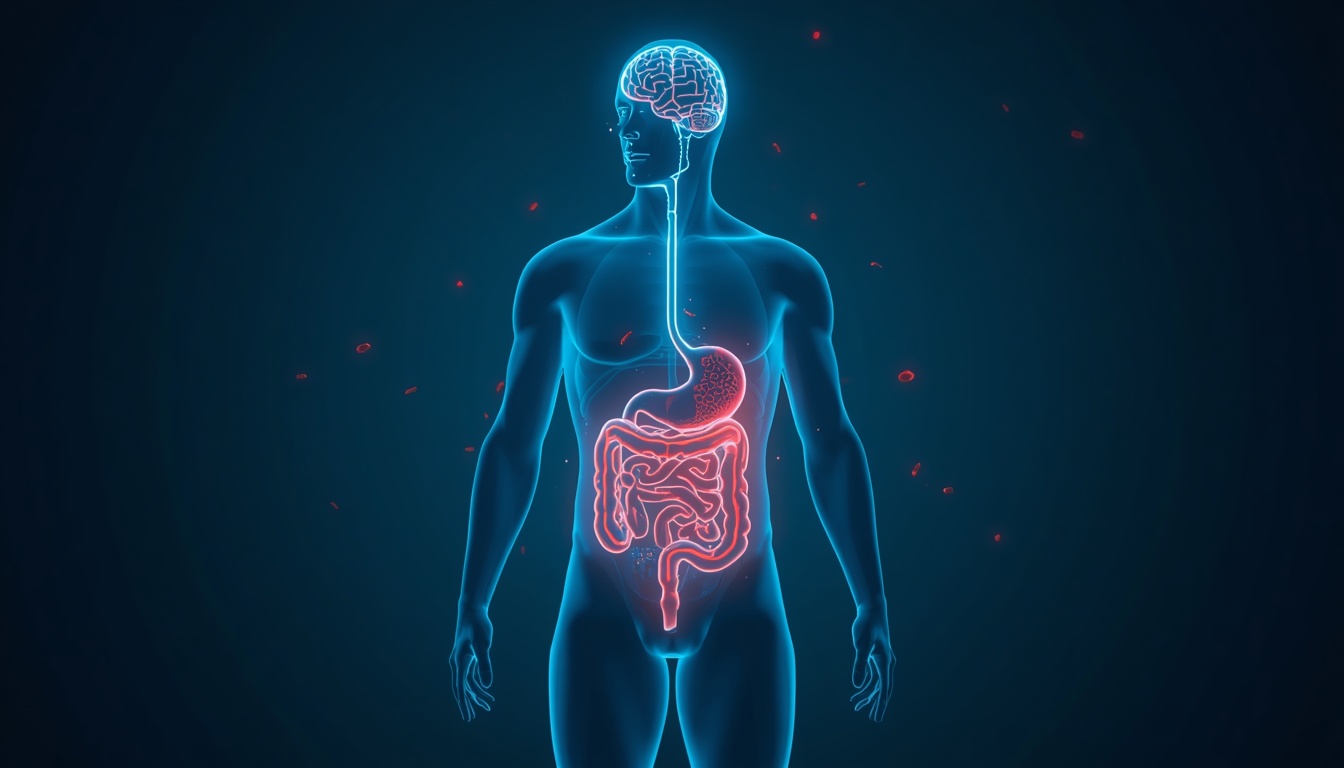
One of the most active areas of brain research right now isn’t happening in the skull at all — it’s happening in the gut. The trillions of bacteria that live in your digestive tract form what scientists call the gut microbiome, and it turns out this community is in constant two-way communication with your brain through the vagus nerve, the immune system, and a stream of chemical messengers.
When you eat fiber-rich, plant-diverse foods, gut bacteria ferment them into short-chain fatty acids like butyrate — compounds that help regulate inflammation throughout the body, including neuroinflammation linked to cognitive decline. Your gut bacteria are also involved in producing precursors to neurotransmitters; a significant portion of the body’s serotonin, for example, is synthesized in the gut with the help of microbial activity. A 2025 review in the journal Nutrients on dietary habits and cognitive function described this gut-brain relationship as one of the more promising frontiers for dietary interventions in cognitive health, noting that diets low in fiber and high in processed ingredients are consistently linked to microbiome patterns associated with worse cognitive outcomes.
In practice, this means the humble act of eating more vegetables, legumes, and fermented foods isn’t just a “gut health” trend — it’s a brain health strategy with a real, if still-developing, mechanistic basis.
🥗 The MIND Diet: What a Decade of Research Actually Shows
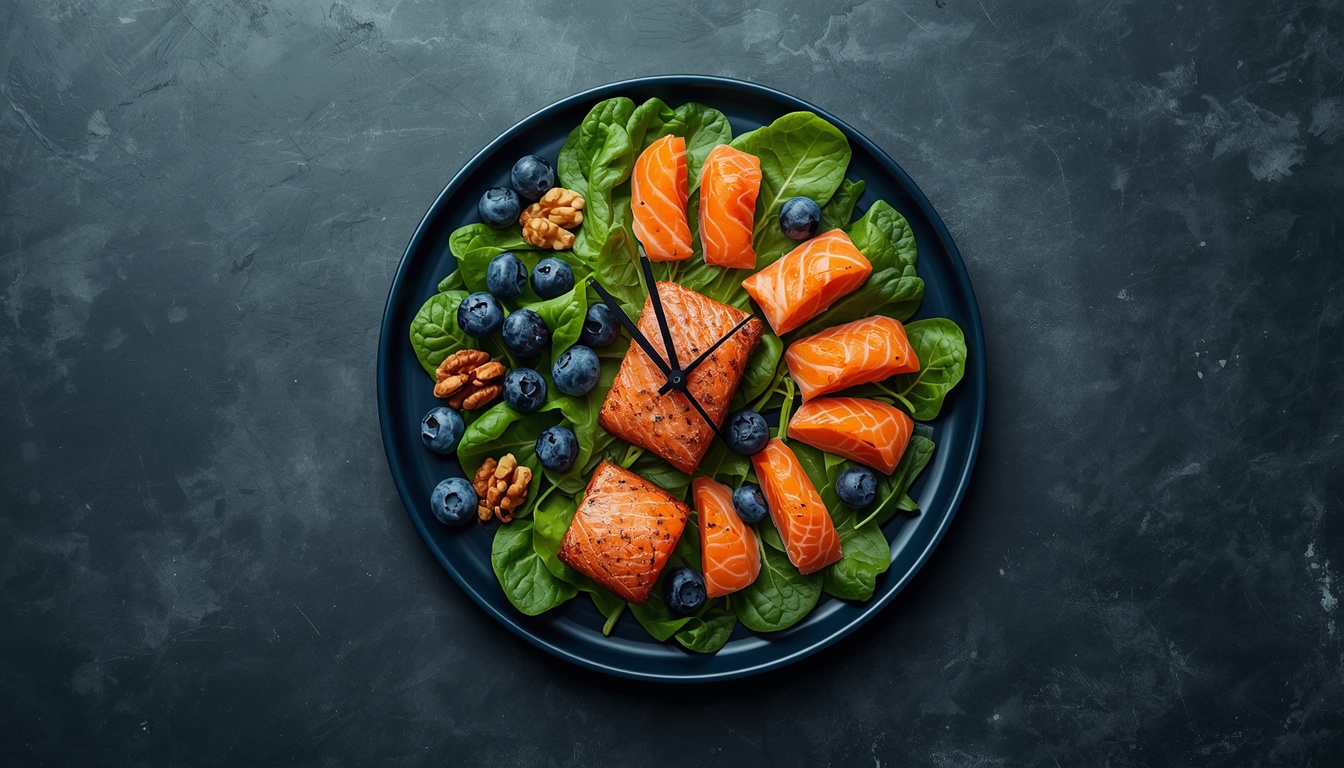
If there’s one dietary pattern that dominates brain health research, it’s the MIND diet — a hybrid of the Mediterranean and DASH diets specifically designed to target brain aging. It emphasizes leafy greens, berries, nuts, olive oil, fish, and poultry, while limiting red meat, butter, cheese, fried food, and sweets.
The evidence here is genuinely substantial, but it’s worth being precise about what it says. A large 2024 analysis from the University of Cincinnati, using data from roughly 14,000 participants in the NIH-funded REGARDS study followed for about a decade, found the results above — with the diet also showing stronger predictive value for cognitive decline among Black participants than white participants.
At the same time, a rigorous randomized controlled trial published in the New England Journal of Medicine found that participants assigned to the MIND diet and those assigned to a control diet with mild caloric restriction both showed similar cognitive improvements over three years — suggesting that some of the benefit may come from the general act of eating a more structured, whole-food diet, rather than the MIND pattern being uniquely magical. The honest takeaway: the MIND diet is one of the best-supported eating patterns for long-term brain health, but it works best as part of an overall shift toward whole foods, not as an isolated silver bullet.
🐟 Brain-Boosting Nutrients and Where to Find Them
Omega-3 fatty acids (especially DHA and EPA) are structural components of neuronal membranes and are involved in reducing neuroinflammation. A 2025 systematic review and dose-response meta-analysis published in Scientific Reports found a consistent positive association between omega-3 supplementation and measures of cognitive function, with effects that appeared to scale with dose. The richest natural sources are fatty fish like salmon, sardines, and mackerel, along with walnuts, chia seeds, and flaxseed for the plant-based ALA form.
Flavonoids and polyphenols — the compounds responsible for the deep colors in berries, dark chocolate, and green tea — appear to support brain health both as antioxidants and by improving blood flow to the brain. A double-blind randomized controlled trial on wild blueberry polyphenols in healthy older adults found measurable improvements in both vascular function and cognitive performance after supplementation, and a broader body of research on berries and flavonoid intake has repeatedly linked higher consumption to slower rates of cognitive decline over time.
Choline, found in eggs, is a direct precursor to acetylcholine, a neurotransmitter central to memory formation. B vitamins — particularly B6, B9 (folate), and B12, found in leafy greens, legumes, and animal products — are essential for keeping homocysteine levels in check, since elevated homocysteine has been associated with brain atrophy and higher dementia risk. Extra-virgin olive oil, a MIND diet staple, is rich in oleocanthal and other polyphenols under active study for their potential role in clearing amyloid-beta, the protein implicated in Alzheimer’s disease.
Brain-Healthy Foods vs. Brain-Draining Foods
| 🟢 Supports Brain Health | 🔴 Undermines Brain Health |
|---|---|
| Fatty fish (salmon, sardines, mackerel) — omega-3s | Sugary drinks and snacks — glucose spikes/crashes |
| Berries and leafy greens — flavonoids, folate | Deep-fried foods — oxidative stress, inflammation |
| Nuts, seeds, and legumes — fiber, healthy fats | Ultra-processed snack foods — additives, low fiber |
| Extra-virgin olive oil — polyphenols | Refined white bread and pastries — rapid blood sugar rise |
| Fermented foods (yogurt, kimchi) — gut microbiome support | Excess processed red meat — linked to inflammation |
⚠️ The Hidden Cost of Ultra-Processed Food
If there’s a clear villain emerging from recent nutrition-and-brain research, it’s ultra-processed food — the industrially formulated products loaded with additives, refined starches, and low in fiber that now make up a majority of calories in many Western diets.
This adds to earlier findings from the long-running Framingham Heart Study and a 2023 systematic review and meta-analysis, both of which linked high ultra-processed food intake to elevated dementia risk. The mechanisms are likely multiple: these foods tend to spike blood sugar sharply, displace fiber and micronutrients the brain needs, disrupt the gut microbiome, and drive chronic low-grade inflammation — all pathways that intersect with the brain health factors discussed above.
🍬 Blood Sugar, Insulin Resistance, and the “Type 3 Diabetes” Theory

A growing body of research has drawn such a strong connection between metabolic health and Alzheimer’s disease that some researchers now informally refer to it as “type 3 diabetes.” The theory centers on insulin resistance in the brain: insulin doesn’t just regulate blood sugar in the body, it also plays a role in neuronal signaling, memory formation, and clearing amyloid-beta protein. When cells throughout the body — including in the brain — become resistant to insulin’s effects, this clearance process appears to become less efficient, and inflammation increases.
This doesn’t mean everyone with insulin resistance will develop Alzheimer’s, and the research is still working out exactly how central this pathway is compared to others. But it does mean that the same dietary habits that protect against type 2 diabetes — minimizing refined sugar and refined carbohydrates, prioritizing fiber, and maintaining stable blood sugar throughout the day — are increasingly viewed as directly relevant to long-term brain health, not just metabolic health.
☕ Caffeine: A Nuanced Cognitive Tool
Caffeine is the most widely consumed psychoactive substance on earth, and the research on its cognitive effects is more interesting than a simple “good” or “bad” verdict. A 2025 narrative review in Cureus on the neurocognitive effects of coffee and caffeine found consistent short-term benefits for alertness, attention, and working memory at moderate doses, alongside evidence that habitual, moderate coffee consumption is associated with lower risk of neurodegenerative conditions over the long term in observational studies.
One particularly striking 2026 study from the Yong Loo Lin School of Medicine at the National University of Singapore looked at what happens after sleep deprivation, which is known to weaken synaptic communication in the hippocampus — the brain’s memory hub — and impair social memory. Researchers found that caffeine given before a period of sleep loss restored the disrupted neural communication and preserved memory performance, and the effect was targeted specifically at the impaired circuit rather than just generally revving up brain activity. It’s not a replacement for sleep — nothing is — but it’s a striking illustration of how caffeine interacts with the brain’s memory systems, not just its alertness systems.
The caveat: effects vary widely by individual genetics (some people metabolize caffeine far more slowly than others), and a 2025 study in Scientific Reports found that caffeine actually reduced accuracy during memory consolidation in certain tasks, underscoring that timing and context matter. Moderate intake — generally considered up to around 400mg per day for most healthy adults, roughly three to four cups of coffee — appears to sit in the sweet spot in most of the research, while late-day consumption can undercut the sleep that the brain depends on for memory consolidation in the first place.
🍷 Alcohol and the Brain: How Much Is Too Much

Alcohol’s relationship with brain health has shifted meaningfully in the research over the past few years, moving away from the once-popular idea that moderate drinking might be protective. A 2025 study led by the University of São Paulo Medical School, published in Neurology, examined post-mortem brain tissue from 1,781 people with an average age of 75 at death.
A separate 2025 analysis published in Frontiers in Aging Neuroscience pushed back specifically on the idea that moderate drinking protects cognition, finding that the apparent benefit largely disappeared once researchers controlled for income and other cultural and socioeconomic factors — suggesting earlier “moderate drinking is good for you” findings may have partly reflected who tends to be a moderate drinker, rather than a true effect of the alcohol itself. Taken together, current research points toward less being better when it comes to alcohol and long-term brain health, rather than there being a protective dose worth drinking for.
⏰ Meal Timing and Fasting: Does When You Eat Matter Too?

Beyond what you eat, a growing area of research looks at when you eat. Intermittent fasting and time-restricted eating have been studied for their effects on brain-derived neurotrophic factor (BDNF) — the same protein highlighted in our earlier article on cognitive sharpness with age — with the theory being that periods without food shift brain metabolism toward burning ketones, which some research suggests may support neuroplasticity and stress resistance in neurons.
The picture emerging from recent reviews, including a 2026 Frontiers in Nutrition analysis of fasting and neuroprotection in Alzheimer’s disease, is genuinely promising at the level of metabolic mechanisms and animal studies, but human evidence is still catching up — effects on BDNF and cognition in people appear to depend heavily on fasting duration, individual metabolic health, and whether fasting is paired with exercise. This is an area worth watching rather than an established prescription: for most people, the more consistently supported strategy remains focusing on food quality and consistent blood sugar control, with meal timing as a secondary lever rather than a primary one.
✅ Science-Backed Strategies for a Brain-Healthy Diet

| ✓ | Build meals around plants first. Aim for a wide variety of vegetables, legumes, and whole grains to feed a diverse gut microbiome and supply fiber that stabilizes blood sugar. |
| ✓ | Eat fatty fish at least twice a week. Salmon, sardines, and mackerel are the most concentrated natural sources of DHA and EPA omega-3s. |
| ✓ | Add a daily handful of berries or dark leafy greens. Both are consistently linked to slower cognitive decline in long-term studies. |
| ✓ | Swap butter and processed oils for extra-virgin olive oil where practical — a core MIND diet substitution with some of the strongest supporting evidence. |
| ✓ | Minimize ultra-processed foods, not perfectly, but consistently — the research suggests even modest reductions are associated with meaningfully lower dementia risk. |
| ✓ | Keep blood sugar steady by pairing carbohydrates with protein, fat, or fiber rather than eating them alone, and by limiting sugary drinks in particular. |
| ✓ | Include fermented foods like yogurt, kefir, or kimchi a few times a week to support the gut-brain axis. |
None of this requires a perfect diet or eliminating entire food groups overnight. The research points toward a pattern, not a rulebook: more whole, colorful, fiber-rich foods; fewer ultra-processed ones; and steady blood sugar as the throughline connecting almost every mechanism discussed above. Small, consistent shifts in that direction are what the strongest studies — the ones following people for years, not weeks — actually measured.
❓ Frequently Asked Questions
What is the single best food for brain health?
No single food carries the whole effect, but fatty fish (salmon, sardines, mackerel) has some of the strongest and most consistent evidence, thanks to its concentrated omega-3 content, followed closely by berries and leafy greens for their flavonoids and folate.
Can diet alone prevent dementia?
No dietary pattern studied so far eliminates dementia risk entirely — genetics, age, and other factors matter too. But diet is one of the few risk factors people can actually change, and the research consistently shows it can meaningfully shift the odds, particularly in combination with sleep, exercise, and social engagement.
How quickly can diet changes affect brain function?
Some effects, like blood sugar–related brain fog, can shift within days of stabilizing what you eat. Structural benefits tied to long-term risk reduction, like those seen in MIND diet and ultra-processed food research, are measured over years, not weeks — consistency matters more than any single meal.
Are brain health supplements a shortcut around diet?
Some individual nutrients, like omega-3s, have real supporting evidence, particularly for people who don’t get enough from food. But supplements work best as a complement to a nutrient-dense diet, not a replacement for one — most of the research showing strong effects comes from whole dietary patterns, not isolated pills.
I dig into studies like these because I want to actually understand what helps — not just repeat headlines. If this was useful, take a look around at the other articles on the blog; there’s more coming soon.