 Brain Health & Memory
Brain Health & Memory
Brain Health & Memory
What actually happens inside your brain while you're unconscious for a third of your life — and why it matters more than almost anything else you do for your mind.
📖 14 min read • 🔬 20+ studies cited • 🗓 Updated August 2026
Sleep and memory are more connected than most people realize: you'll spend roughly a third of your life asleep. I used to think of that as time my brain simply switched off — until I started actually reading the research behind it, and realized it's closer to the opposite: sleep is when your brain does some of its most important work. It cleans itself, files away what you learned that day, and quietly repairs the systems you'll rely on tomorrow. None of that happens while you're awake.
⚡ Key Takeaways
For most of the 20th century, sleep was treated by mainstream science as passive downtime — the brain idling until morning. That view is essentially dead now. Modern imaging and fluid-tracking studies show a brain that's quietly, deliberately busy: flushing metabolic waste, reorganizing the day's experiences into long-term storage, and rebalancing the strength of connections between neurons so you can keep learning tomorrow without your neural circuitry becoming saturated. Three systems in particular explain most of what we now understand: a physical cleaning system, a hormonal timing system, and a memory-processing system that runs in distinct stages. I'll walk through each one, because they explain almost everything else in this article.
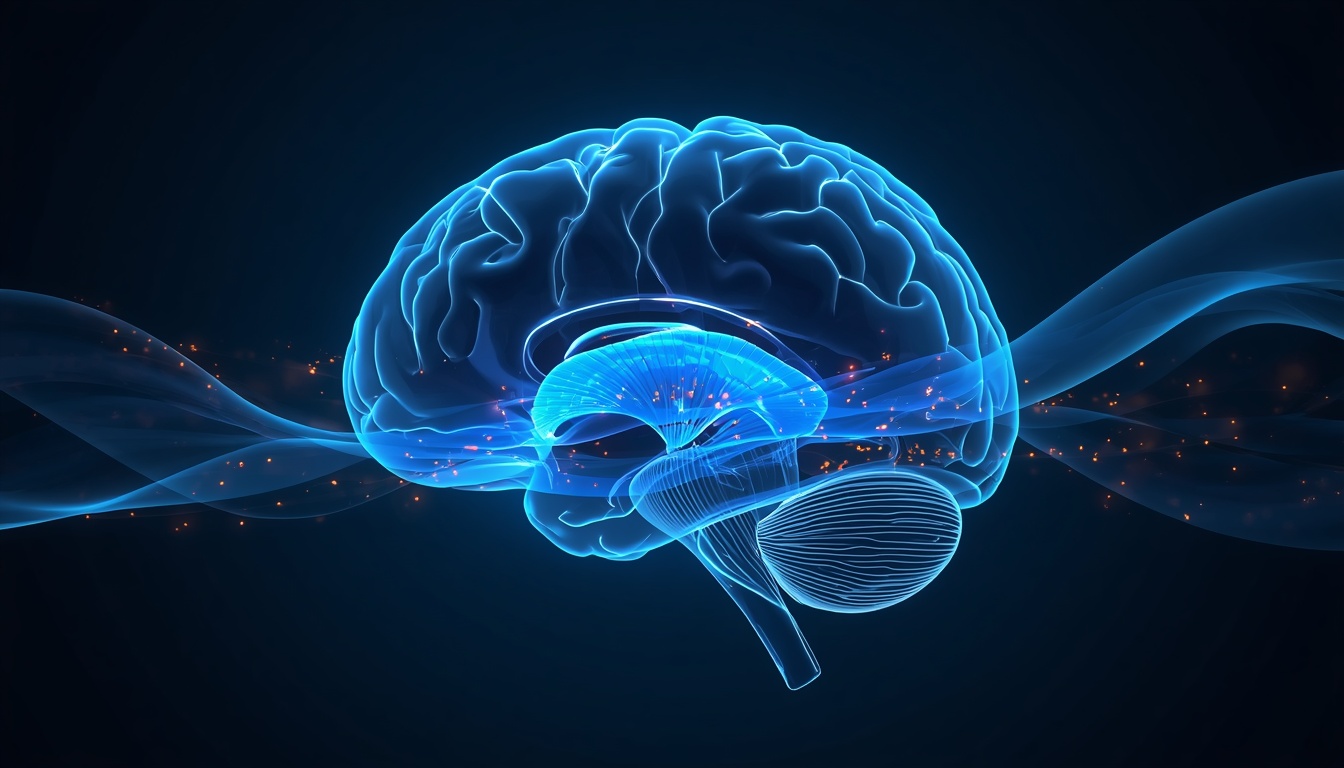
Your brain doesn't have a traditional lymphatic system like the rest of your body does. Instead, it relies on something researchers at the University of Rochester first described in 2013: a network they named the "glymphatic" system, because it's driven by glial cells rather than lymph vessels. During sleep, the space between brain cells expands by roughly 60%, allowing cerebrospinal fluid to flow through brain tissue and physically flush out metabolic waste products — including beta-amyloid, the protein that clumps together in Alzheimer's disease.
That original discovery was made in mice, but a 2026 study from the University of Florida and University of Washington, published in Nature Communications, tested the idea directly in people. Researchers put 38 adults through one night of normal sleep and one night of total sleep deprivation, then measured amyloid and tau proteins in their blood the next morning. Normal sleep produced a measurable rise in these proteins in the bloodstream — consistent with the brain washing them out overnight — and the effect tracked closely with EEG deep-sleep activity and blood vessel changes typical of restorative sleep.
Here's the honest caveat, because I think a health blog should include it rather than oversimplify: this field is still actively debated. Some researchers have published findings suggesting clearance might be just as active, or more active, during wakefulness — and the scientists studying this openly describe the underlying mechanisms as still "speculative." I'd rather tell you that than pretend the science is fully settled when it isn't. What does seem consistent across studies is that something about deep sleep specifically supports this cleaning process, even if the full picture is still being worked out.
One more detail I found genuinely fascinating: a 2026 MIT study using EEG inside an MRI scanner found that when sleep-deprived people experience brief attention lapses during the day, cerebrospinal fluid pulses outward from the brain in waves that resemble the nighttime cleaning process — then flows back in as attention returns. It looks like a sleep-deprived brain may force itself into brief, involuntary "micro-cleanings" while you're awake, and you experience that moment as a mental blackout.
Deep inside your brain sits the pineal gland, a pea-sized structure that produces melatonin in response to darkness. It doesn't force you to sleep directly — think of it more as a signal flare that tells your body "it's biological night," setting the window during which sleep becomes far more likely. That timing role has been understood for decades. What's newer is research suggesting melatonin may protect the brain through mechanisms that have nothing to do with sleep timing at all.
A 2024 paper in Molecular Psychiatry, led by researchers at Uppsala University, laid out several proposed pathways: melatonin appears to redirect how amyloid precursor protein gets processed (reducing the amyloid-producing route), acts as an antioxidant that protects neurons from oxidative stress, and may inhibit an enzyme involved in the tau tangles seen in Alzheimer's disease. One detail stood out to me — people carrying two copies of the APOE ε4 gene variant, the strongest known genetic risk factor for Alzheimer's, had roughly half the melatonin in their spinal fluid compared with people carrying just one copy. That's a real, measurable biological difference, though the researchers are careful to note that no human trial has yet tested whether melatonin supplements actually reduce amyloid buildup in people — this is still a hypothesis being tested, not a proven treatment.
Worth knowing before you reach for a melatonin bottle: a study published in the journal SLEEP found that melatonin supplementation in healthy young adults who already slept fine actually impaired next-morning cognitive performance, without improving their sleep at all. More isn't automatically better here. Melatonin's clearest, most evidence-backed use is still what it's always been — helping shift the timing of sleep, particularly for people dealing with jet lag or an irregular schedule — rather than a general-purpose cognitive supplement.
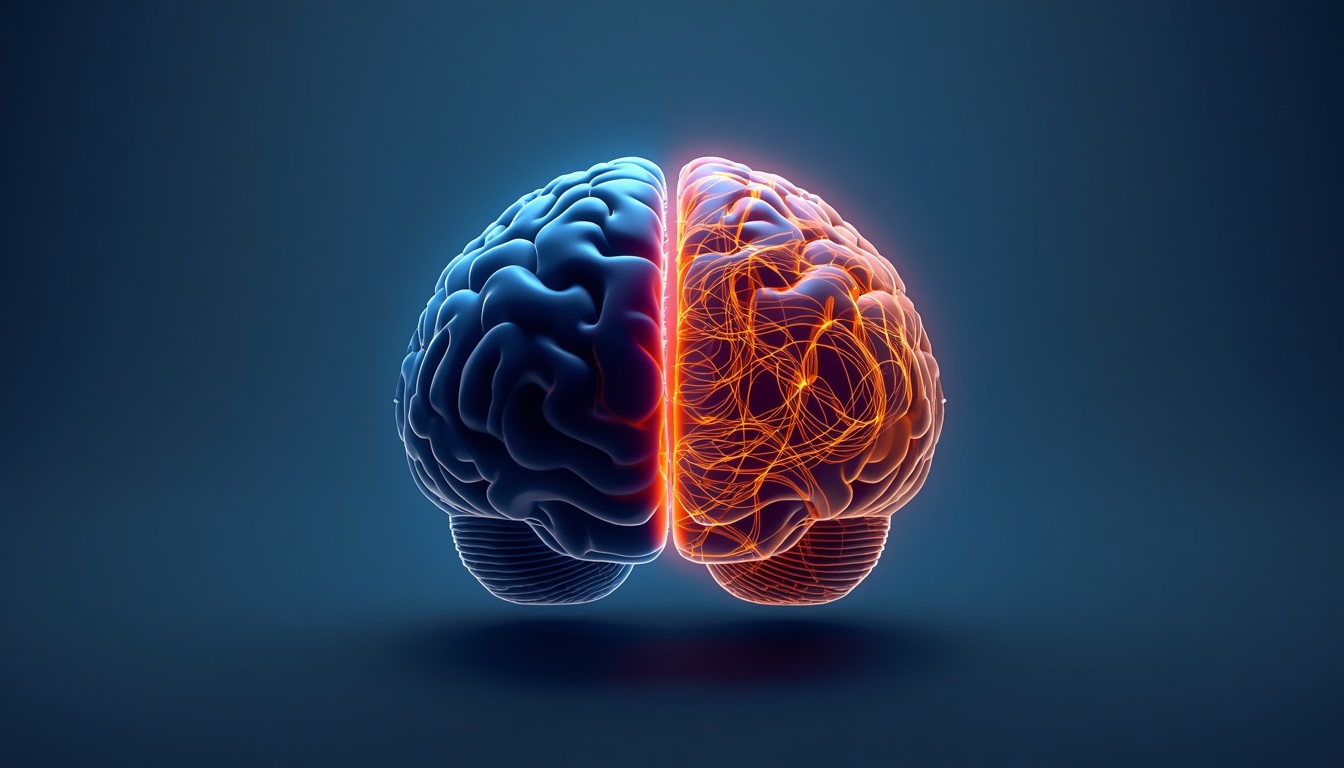
Sleep isn't one uniform state — it cycles through stages, and for years the working model was fairly simple: deep, slow-wave sleep handles factual and episodic memory, while REM sleep (the stage where most vivid dreaming happens) handles motor and procedural memory. During deep sleep, the hippocampus — your brain's short-term memory hub — appears to "replay" the day's experiences in rapid bursts called sharp-wave ripples, synchronized with sleep spindles, gradually transferring information into the neocortex for longer-term storage.
A 2025 study out of the HKU-Shenzhen Institute of Research and Innovation added real nuance to that picture. Researchers had 34 participants learn 96 word-picture pairs, then tracked their brain activity overnight and tested their memory the next day. Instead of a simple "consolidation good, done" result, they found something more interesting: after sleep, people tended to lose some of the fine, specific detail of what they'd learned, while the general category or "gist" of the information got stronger. And the more REM sleep someone got relative to deep sleep, the more pronounced this shift was — REM sleep seemed to push memories toward abstraction, while deep sleep favored keeping detail intact.
I like this finding because it reframes what sleep is doing. It's not just a save button copying yesterday to a hard drive. It looks more like an editor — deciding what's worth keeping in sharp detail and what should be smoothed into a general lesson you can apply more broadly. A related 2025 study found that emotional memories specifically seem to need both deep sleep and REM working together, rather than either stage alone. Motor memory — the kind you build learning an instrument or a new movement — relies heavily on sleep spindles, and a 2025 paper in PNAS showed how a coordinated cascade of brain rhythms (slow oscillations, then spindles, then sharp-wave ripples) supports this, and how conditions like epilepsy can disrupt that cascade.
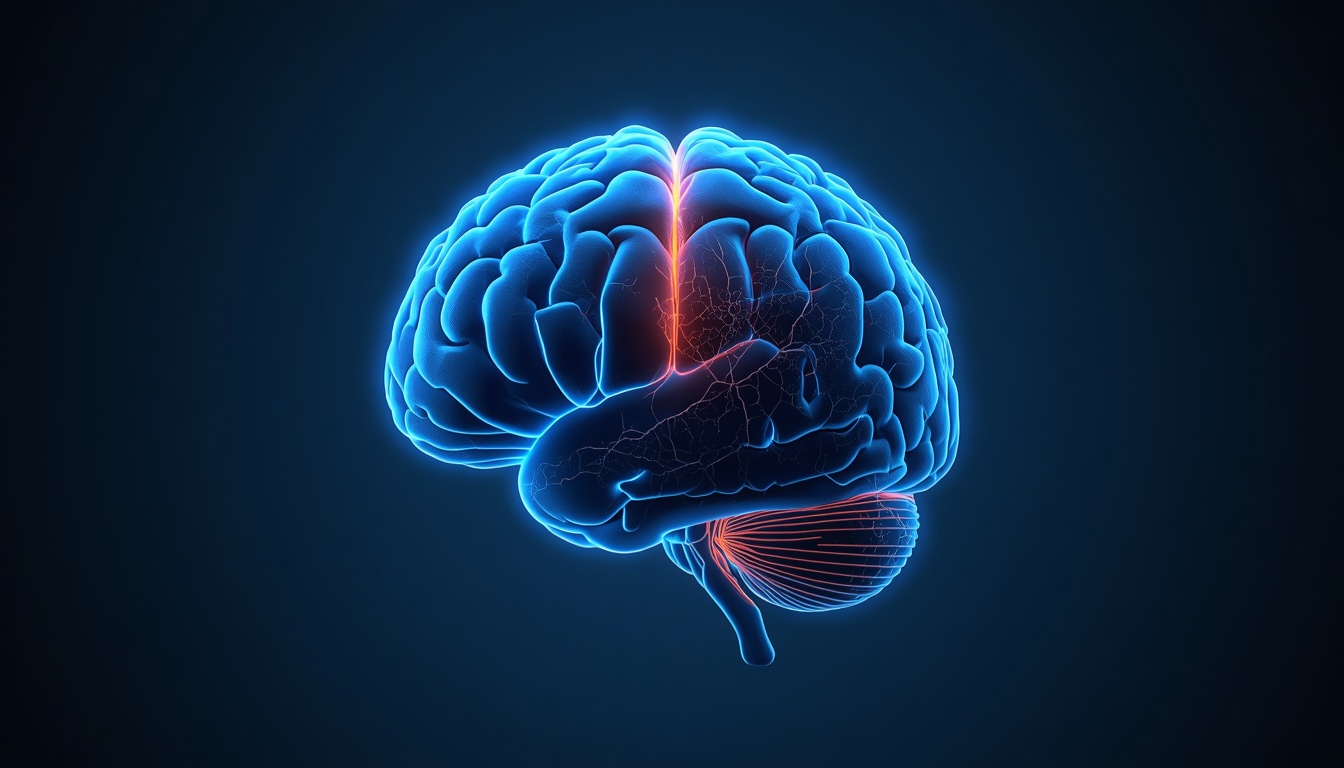
This is the section that changed how seriously I take my own sleep. A 2025 study led by Mayo Clinic researchers, published in Neurology, followed 2,750 cognitively healthy older adults for an average of 5.6 years. People with chronic insomnia — poor sleep at least three nights a week for three months or more — had a 40% higher risk of developing mild cognitive impairment or dementia. People whose sleep got worse over time (compared to their own earlier baseline) showed cognitive decline comparable to being four years older, along with more white-matter damage and amyloid buildup visible on brain scans.
A separate 2025 meta-analysis pooling data from more than 9 million people found chronic insomnia associated with a 36% higher risk of dementia overall, a 52% higher risk of Alzheimer's disease specifically, and — the number that surprised me most — a 110% higher risk of vascular dementia, more than double. And a 2025 study from the Karolinska Institutet, using brain-age models on MRI scans from 27,500 adults, found that poor sleepers' brains looked, on average, about a year "older" than their actual age — with each single-point drop on a simple five-factor sleep-health score widening that gap by roughly six months. Chronic low-grade inflammation explained part of that relationship, but not all of it, suggesting more than one mechanism is at play.
None of this means one bad night is doing lasting damage — the research is about sustained, chronic patterns, not the occasional rough night everyone has. But it does make a strong case that sleep deserves to be treated as seriously as diet or exercise, not as a flexible afterthought.
A few of these surprised me, because they don't match the sleep advice that usually circulates online.
| 🟢 Restorative Sleep | 🔴 Chronic Sleep Deprivation |
|---|---|
| Active glymphatic waste clearance | Reduced amyloid/tau clearance over time |
| Memory consolidation and abstraction | Impaired learning and recall |
| Stable inflammation levels | Elevated chronic inflammation |
| Brain age matches biological age | Brain appears measurably "older" on MRI |
No — the research linking sleep to dementia risk and brain aging is about sustained, chronic patterns over months and years, not occasional rough nights. An occasional bad night is normal and not something to worry over.
Not exactly — individual sleep needs vary, and recent research suggests consistency in your sleep-wake timing may matter as much or more than hitting a specific number of hours. That said, most adults do need somewhere between 7 and 9 hours to function and consolidate memory well.
The research on melatonin's neuroprotective potential is still early and mechanistic, not a proven clinical treatment. For healthy sleepers, evidence suggests melatonin may not help — and could even impair next-morning cognition. It's best used, if at all, for its established purpose: shifting sleep timing, such as with jet lag.
The current evidence is weaker than commonly believed — recent meta-analyses of randomized trials found no statistically significant sleep benefit. Reducing screen stimulation and stopping earlier before bed may matter more than the blue light itself.
Sleep was the topic that first got me digging into brain research seriously — it's such an ordinary, overlooked part of the day, and yet the science behind it is genuinely remarkable. Take a look around at the other articles on the blog if this was useful; there's more coming soon.