Brain Health & Memory
About Us See More Articles Biohack Your Brain
Welcome

Understanding the Brain, One Discovery at a Time

Whether you're here for the first time or coming back for more, welcome to Brain Health & Memory. We explore how the human brain works, what science has recently discovered, and how to take care of the mind that carries you through life — all backed by real research, explained in plain language.
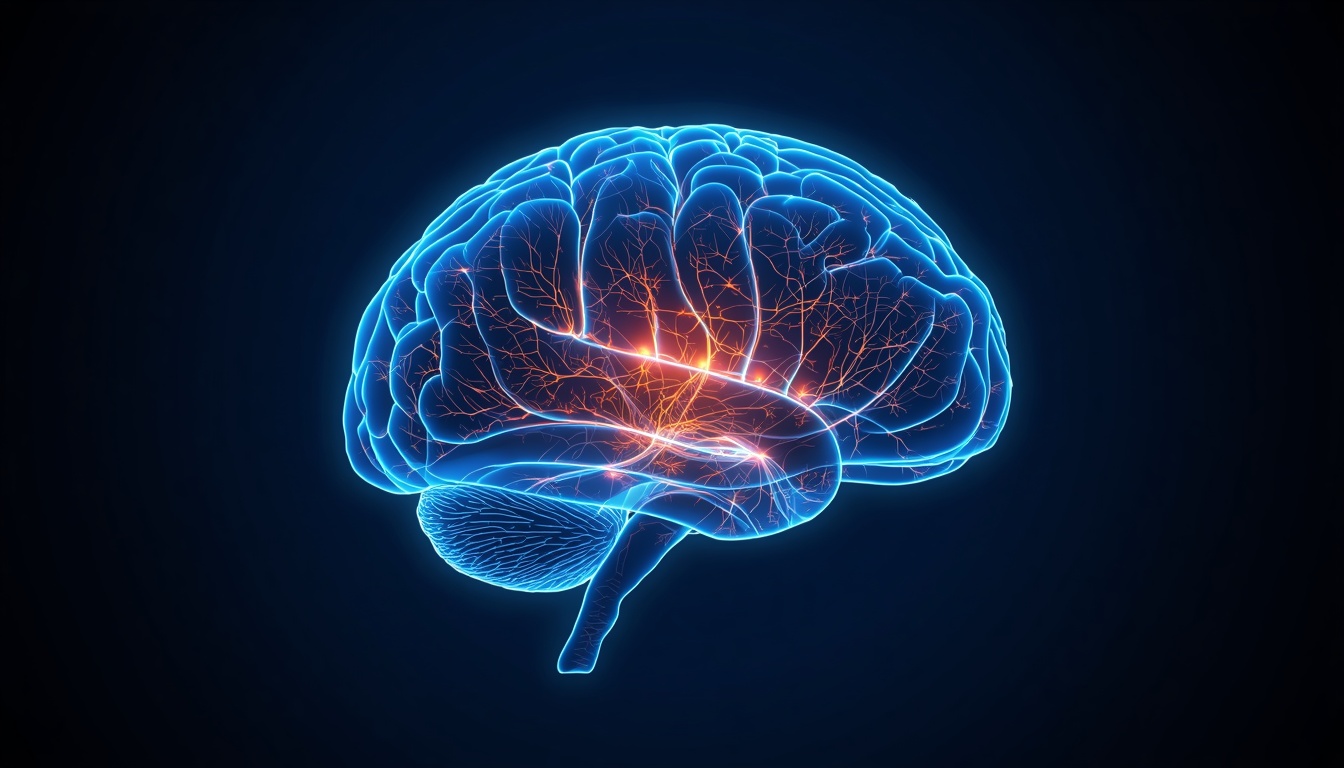
Glowing translucent human brain with neural pathways
01 · Brain Basics

How the Human Brain Actually Works

With around 86 billion neurons constantly firing and communicating through trillions of synaptic connections, the human brain is, without exaggeration, the most complex structure known to science. Every thought, memory, and movement you make is the result of an intricate electrical and chemical conversation happening inside your skull, right now, as you read this.

In our articles, we break this complexity down into something anyone can understand — how different brain regions specialize in different jobs, how memory actually gets formed and stored, and how the brain makes split-second decisions without you even noticing. No science degree required, just curiosity.
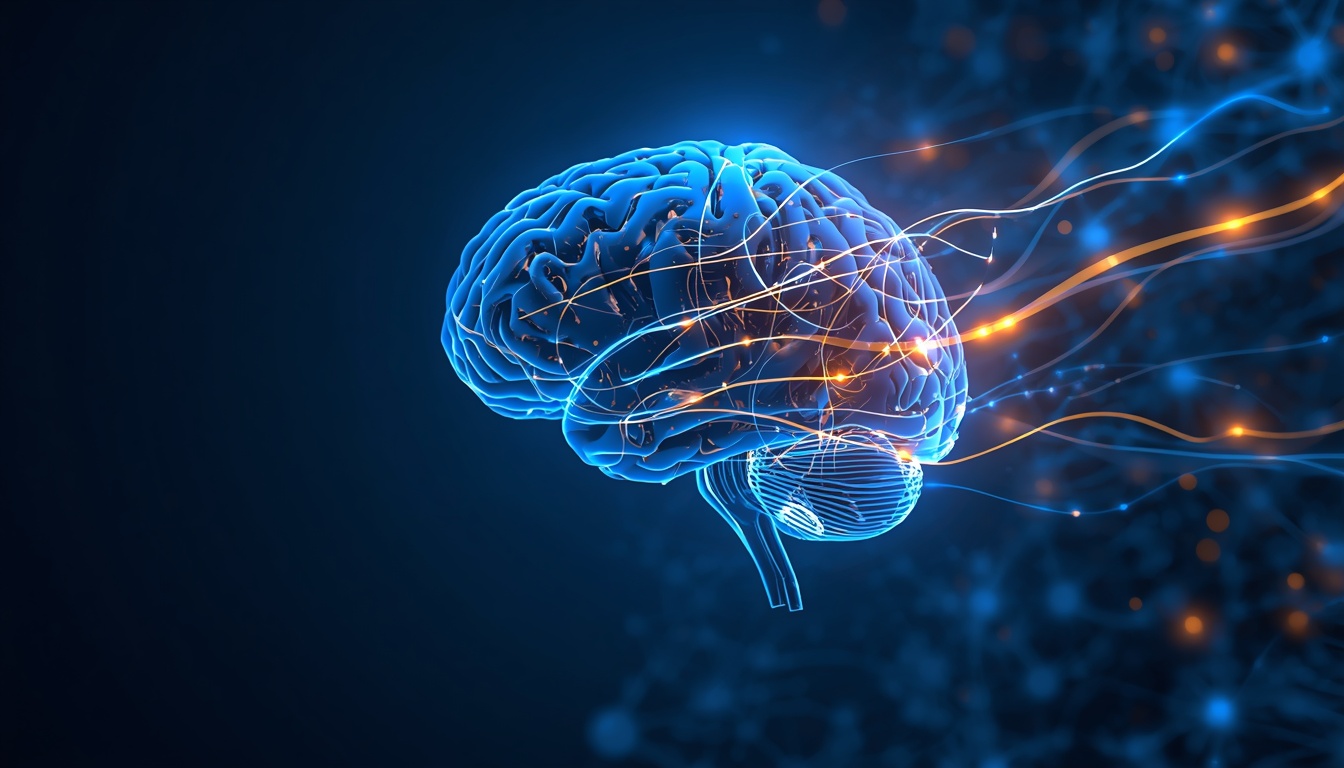
Brain reshaping itself with golden light representing neuroplasticity
02 · Neuroplasticity

Your Brain Can Change at Any Age

For most of the 20th century, science believed the adult brain was essentially fixed — that you were born with a set number of neurons and connections, and it was all downhill from there. We now know that's simply false.

Neuroplasticity — the brain's remarkable ability to form new connections, rewire itself, and even grow new neurons throughout life — means it's genuinely never too late to improve memory, pick up a new skill, or recover function after an injury. It's one of the most hopeful and well-documented discoveries in modern neuroscience, and it's a topic we return to often.
Mysterious glowing brain surrounded by light particles
03 · Open Questions

What Science Still Doesn't Know About the Brain

For every question neuroscience answers, several new ones seem to appear. How does subjective conscious experience actually arise from physical neurons? Why do we dream, and what purpose do those dreams serve? How exactly are decades-old memories stored and retrieved with such vivid detail?

These are not settled questions — they're some of the most actively debated topics among researchers today. We enjoy exploring them honestly, sharing what current evidence suggests, where the leading theories disagree, and why some of the brain's biggest mysteries remain genuinely open.
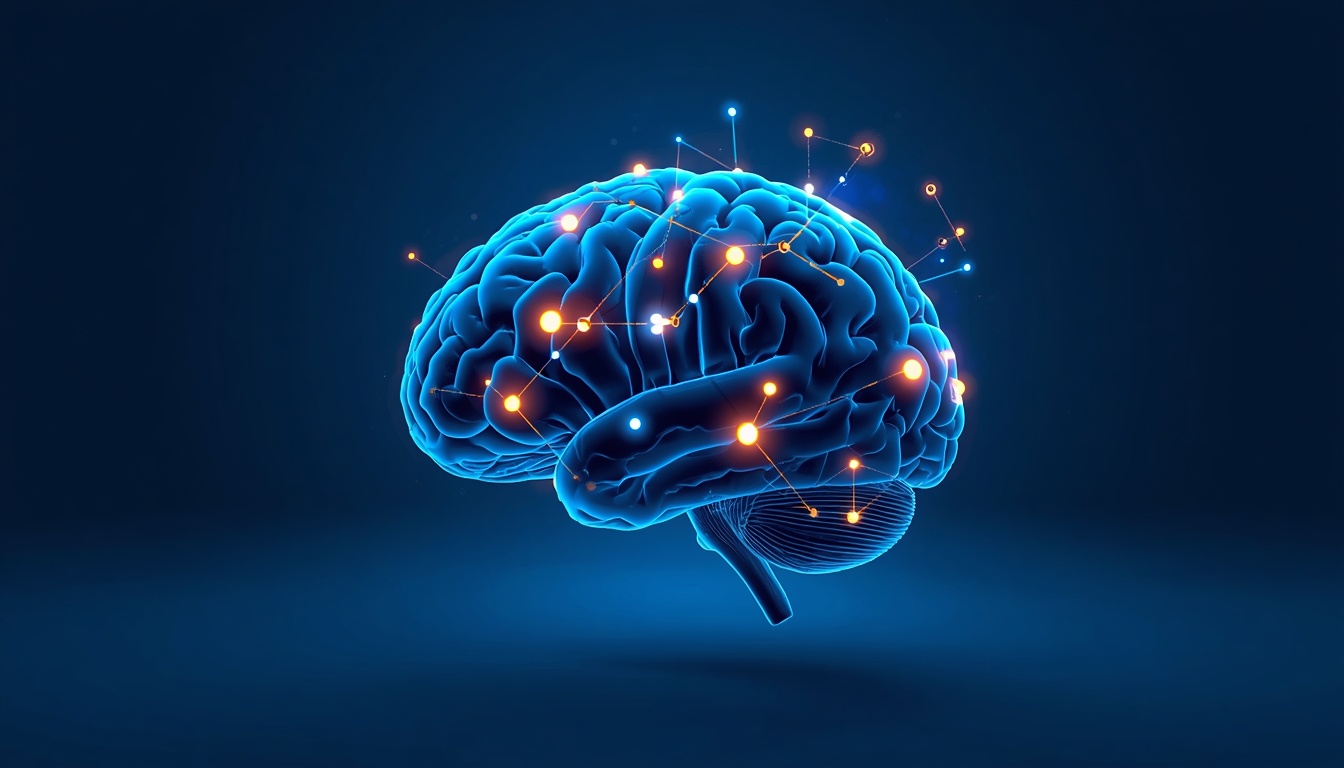
Brain with glowing data points representing new research
04 · Latest Research

New Discoveries in Neuroscience

Neuroscience is one of the fastest-moving fields in science today, with major journals publishing significant findings almost weekly. From new discoveries about how sleep physically cleans the brain, to breakthroughs in understanding how the brain ages and what protects it, the pace of discovery can be hard to keep up with.

That's exactly why this section of our site exists — we track credible, peer-reviewed research from institutions around the world, so you get the meaningful highlights without having to dig through dense academic journals yourself.
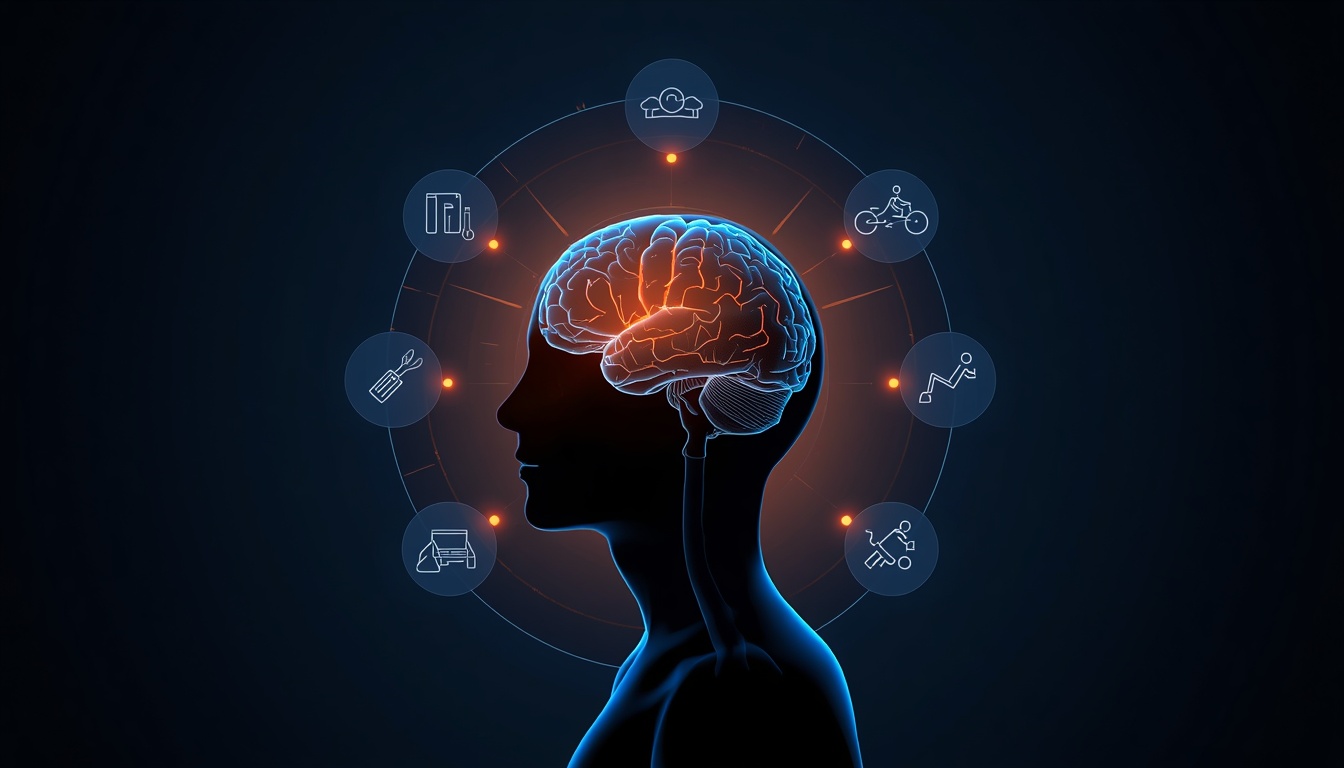
Person silhouette with glowing brain surrounded by sleep, food and exercise icons
05 · Brain Health

Everyday Habits That Support a Healthy Brain

Your brain doesn't operate in isolation from the rest of your body — sleep quality, nutrition, physical movement, and how you manage stress all directly shape how well it functions today and how it ages over the coming decades. These aren't vague wellness suggestions; each one has a documented biological mechanism behind it.

We cover the essentials here as a starting point, and go much deeper into each individual topic in our full-length articles, with practical, science-backed strategies you can realistically apply to your daily routine.

Glowing brain connected to a heart shape representing emotion and cognition
06 · Brain & Emotion

How Your Brain Shapes What You Feel

Thoughts and emotions are often talked about as if they were separate systems — the rational mind versus the feeling heart — but neuroscience tells a very different story. Emotional processing and cognitive function are deeply intertwined in the brain's circuitry, constantly influencing one another.

Understanding this connection helps explain everyday experiences most people recognize: why chronic stress quietly erodes memory, why low mood makes focus feel almost impossible, and why, in a very real biological sense, emotional health simply is brain health.
Aging brain illustration with golden light protecting neural pathways
07 · Brain Aging

What Science Says About Protecting Memory as You Age

Cognitive aging is often talked about as if it were a simple, inevitable decline — but research paints a more nuanced and, frankly, more encouraging picture. Numerous studies suggest a meaningful portion of age-related cognitive change is influenced by modifiable factors, not fixed destiny.

We explore what current science actually says about protecting memory and mental sharpness over the years, carefully separating strategies with real evidence behind them from wishful thinking and marketing hype — because when it comes to your brain, that distinction matters.

We have many other articles about the human brain and how to take care of its health — with new ones added regularly.

📚 Explore All Articles →

Privacy Policy

Last updated: August 2026

This Privacy Policy explains how Brain Health & Memory ("we," "us," "this site") handles information when you visit brainsongbrainhealthmemory.com. We wrote this in plain language on purpose — no legal jargon maze. If anything here is unclear, use the contact form on the homepage and ask us directly.

Who We Are

Brain Health & Memory is an independently run educational blog about brain health, memory, and cognitive wellness. It is not operated by a medical institution, and nothing on this site is written by a licensed medical professional. See our About Us page for more on who writes it and why.

Information We Collect

Information you give us directly: if you use the contact form on this site, we collect your name, email address, and whatever message you send us. We use this only to respond to you — it is not added to a mailing list or shared with anyone unless you explicitly ask us to.

Information collected automatically: like most websites, our hosting and analytics tools automatically log some technical information when you visit — things like your browser type, general location (country/city level), device type, the pages you viewed, and how you arrived at the site. We use this in aggregate to understand what content is useful and to keep the site running smoothly. We do not use it to identify you personally.

Cookies

This site uses cookies — small text files stored in your browser — for basic functionality (like remembering your preferences) and for anonymous analytics (understanding which articles are read most, how visitors navigate the site, and similar patterns). You can disable cookies in your browser settings at any time; the site will still work, though some features may behave differently.

Links to Other Websites

Some pages on this site link out to other websites, including a companion site where related resources are organized. Once you click through to a third-party site, that site's own privacy policy applies — we don't control how they handle your data, and we encourage you to review their policies before sharing any information there.

How We Protect Your Information

We take reasonable steps to protect the information collected through this site, including relying on our hosting provider's security infrastructure. That said, no method of transmission over the internet is 100% secure, and we can't guarantee absolute security.

Your Privacy Rights

If you are located in the European Economic Area (EEA) or UK, you have rights under the GDPR, including the right to access, correct, delete, or restrict the use of your personal data, and the right to data portability. If you are a California resident, you have similar rights under the CCPA, including the right to know what personal information we hold and to request its deletion. To exercise any of these rights, contact us through the form on the homepage — we will respond as promptly as we reasonably can.

Children's Privacy

This site is not directed at children, and we do not knowingly collect personal information from anyone under 13 (or under 16 in the EEA). If you believe a child has provided us with personal information, contact us and we will remove it.

Medical Disclaimer

Nothing on this site is medical advice. Content is written for general educational purposes based on publicly available research, and should never replace guidance from a qualified healthcare professional. Always consult your doctor before making changes to your health routine.

Changes to This Policy

We may update this policy from time to time as the site evolves. The "Last updated" date at the top of this page will always reflect the most recent version. We encourage you to review it occasionally.

Contact Us

Questions about this policy or your data? Use the contact form on the homepage, and we'll get back to you.

Name